LaunchForge Journal

These entries are written from real product work. They focus on design tradeoffs, scoping decisions, workflow judgment, and what LaunchForge learns from public products over time.

Journal

Why We Built Memossage As A Chat-Style Memo App

A LaunchForge journal entry on why Memossage began with chat-like capture, how the feature set expanded, and what that taught us about mobile product design.

Memossage began with a simple product question: if capturing a note felt as easy as sending yourself a message, would people save more ideas before losing them? That question stayed useful because it forced LaunchForge to choose one behavior to optimize instead of launching another broad notes surface with generic promises.
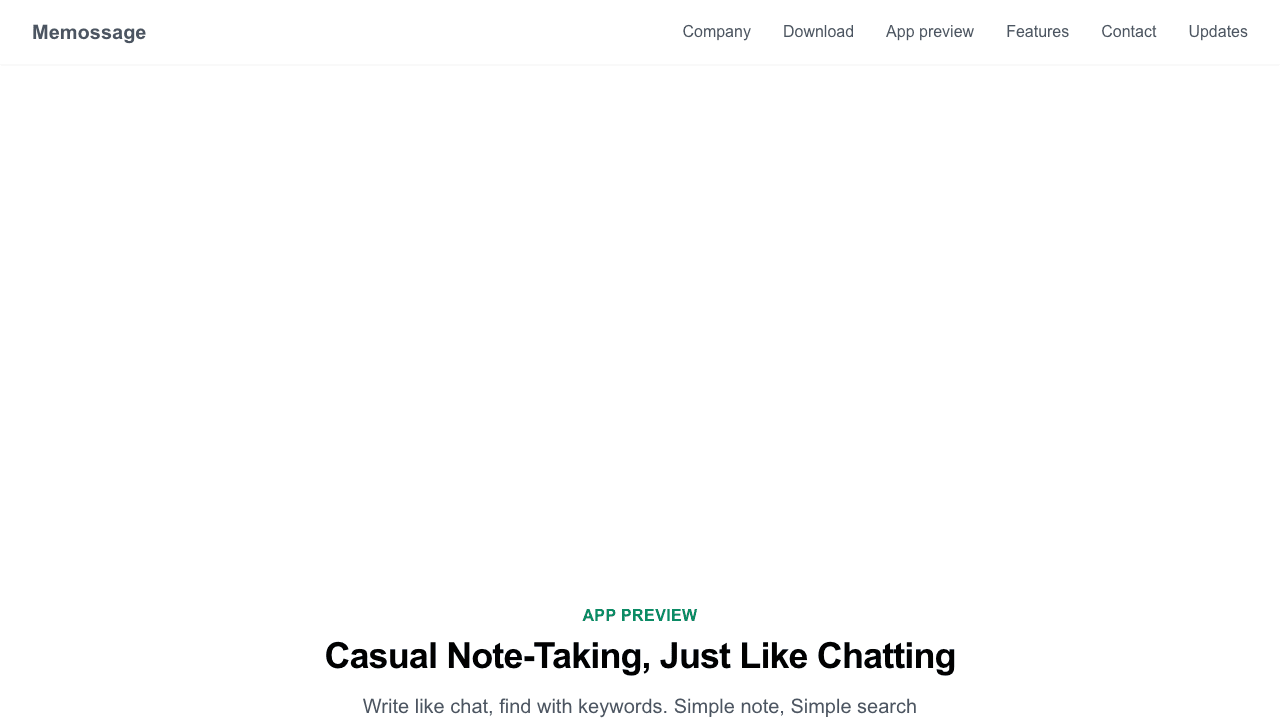

Memossage homepage with chat-style memo positioning and product preview
The public Memossage homepage makes the product thesis legible before a visitor ever reads a detailed explanation.

Journal

What We Learned From Turning Public Income Data Into Paytier

A LaunchForge journal entry on turning Korean public income statistics into a clearer utility product through framing, methodology, and trust-focused UX.

Paytier looks simple from the outside, but that simplicity is the product. Public income data can be useful and still be hard to interpret. LaunchForge treated that gap as a product opportunity: not just to calculate, but to reduce ambiguity before and after the calculation.

Paytier methodology page explaining public-data sources and calculation logic
Paytier is strongest when its calculator flow and source transparency are understood as one product, not as separate concerns.

Journal

Why KeepUpClass Is Centered On Lecture Slides Instead Of Generic Notes

A LaunchForge journal entry on why KeepUpClass anchors study flow to lecture slides and embeds AI help inside a real academic workflow.

KeepUpClass is not interesting because it contains note-taking or AI features. Many education products can claim those. What makes it worth explaining is the way those features are organized around lecture structure instead of being treated as detached tools.

KeepUpClass hero section showing the university lecture promise and primary action
The hero is useful evidence because it makes the academic promise legible before the visitor has to inspect any deeper part of the product.

Journal

What Makes A Focused Utility Product Easier To Use Than A Broad Dashboard

A LaunchForge journal entry on why focused utilities such as Comment Analyze can be more understandable than broad dashboards with too much first-screen complexity.

Focused utility products are easy to underestimate because they look simple when they are done well. In practice, that simplicity often depends on a difficult product decision: choosing what not to explain, not to expose, and not to make interactive on the first screen.

Comment Analyze homepage with YouTube link input and analysis CTA
Comment Analyze is useful product proof because the first screen keeps one task obvious instead of explaining an entire dashboard upfront.